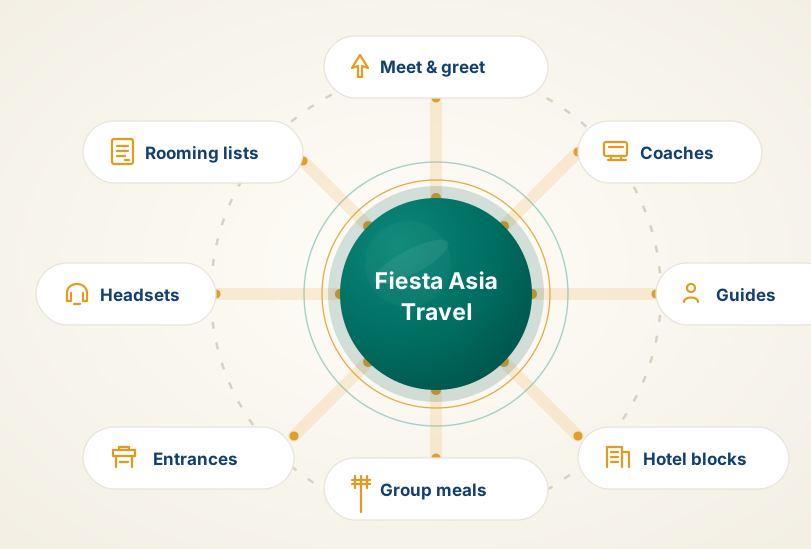
It is eight or nine of them running at once — each with a different supplier, a different deadline and its own way of falling over. They sit on one desk, ours, and they are confirmed before the group is in the air.
In-house teams in Vietnam, Cambodia and Laos
Tap the diagram to see it full size
Built for the trade
Groups are won on price, kept on delivery
A group quote has to be repeatable enough to put in a brochure and robust enough to survive a full coach on a wet Tuesday in Hanoi. We cost the first part and operate the second — with the same in-house team doing both.
Four things decide whether a group programme holds together. All four sit with us, not with a subcontractor.
01
Fixed net cost per pax band
Vehicle, guide and fixed costs are shared across the group, so the per-person rate steps down as it grows. We quote the whole ladder of bands at once — enough to price a brochure without coming back to us for every passenger count.
02
Room blocks held on allocation
Group rooms are held as a block by category, not booked one at a time. For the October-to-April peak we hold like-for-like alternatives we have already inspected — so an oversold hotel moves the group sideways, not downwards.
03
One coordinator per group
The same person costs the programme, holds the allocation, takes the rooming list and answers the phone at 11pm on day four. A Vietnam group extending into Siem Reap or Luang Prabang keeps that person the whole way.
04
24/7 support, in country
Our own operations teams sit in Vietnam, Cambodia and Laos. When something moves at 6am local time, the person deciding what to do about it is already in the same time zone as the group.
Operational reality
What actually changes as the group grows
Group size is not just a line on a quote. It changes the vehicle, the guide ratio, how restaurants are handled and how the group moves through a site. Pick a band to see what shifts — and why the per-person rate moves with it.
12guests, one movement
A single minibus, a single guide, one hotel block — the whole group moves as one unit all day.
Vehicle16-seat minibus — reaches old-quarter streets a full coach cannot park in.
GuidingOne licensed guide for the whole programme, start to finish.
Watch mostRestaurant tables at peak lunch hour, and single supplements on an odd passenger count.
Below ten passengers we usually quote as a private tailor-made programme instead — a dedicated vehicle and guide price better that way for your client.
Vehicle29-seat coach with a proper luggage bay.
GuidingOne guide throughout, plus a local station guide wherever a site requires one.
Watch mostCoach access and parking in Hoi An and Hanoi’s Old Quarter — drop-off points are planned, not improvised.
The first real step down in per-person cost happens here: the fixed vehicle and guide cost is now spread across roughly twice as many passengers.
Vehicle35 to 45-seat coach.
GuidingLead guide plus an assistant, and whisper headsets at busy sites so nobody loses the commentary.
Watch mostHotel check-in flow, and boat capacity on Halong cruises — a group this size rarely fits one vessel neatly.
Check-in becomes a timed event. Keys are pre-allocated against the rooming list so the group is not standing in a lobby for forty minutes.
VehicleMultiple coaches, each with its own written movement plan.
GuidingA guide per coach, with one coordinator holding the whole group together.
Watch mostStaggered timings, so two coaches never arrive at the same site at the same minute.
Above forty, the programme is run as parallel movements rather than one line of people — which is exactly where an in-house ground team earns its place.
Typical operating shape by group size. Exact vehicle, staffing and commercial terms are confirmed with each quote.
When it doesn’t go to plan
Eight things that go wrong, eight things we handle
Group travel has hundreds of moving parts, and some of them move without asking. As a local DMC our job is not only to write the itinerary — it is to operate it, and to decide quickly when it has to change.
Keep scrolling
01
Flight delays and late arrivals
Group flights don’t always land together. A delay, a missed connection or a late rebooking can put arrivals hours apart from the plan — and the transfer, the guide and the first hotel night all move with them.
Our approachMonitor→Communicate→Reorganise→Keep the group moving
02
Last-minute rooming changes
Occupancy shifts, an extra room appears, a guest arrives separately — rooming lists move even after everything is confirmed. Our team takes it directly to the hotel rather than back to you.
Our approachVerify availability→Coordinate with hotel→Update rooming→Confirm
03
Coach and transport delays
Traffic, road restrictions and city coach bans hit group movements hardest. The local team works the problem with the driver, guide and operations desk together, then reshapes the day rather than losing it.
Group meals are pre-planned, but availability moves. From Indian cuisine to international menus and special diets, the requirement is agreed before arrival — and if a venue fails, an equivalent is found to the same brief.
Our approachConfirm before arrival→Hold tables→Substitute like for like
05
Last-minute guest requests
An extra activity, a room change, a shopping stop, a special meal. The on-ground team judges what fits the schedule and arranges it with the supplier directly — a DMC’s job is not only to follow the itinerary, but to decide well when it has to change.
Our approachAssess the schedule→Price it honestly→Arrange it
06
Weather and operational disruption
Weather closes cruises, island trips and outdoor activities with very little notice. We assess the operational picture with the supplier, put the best alternative on the table, and keep the tour operator informed the whole way through.
A twenty-person group and a hundred-person group cannot be run the same way. Coaches, guides, rooming, meals, entrances, luggage and timing are coordinated in parallel — one itinerary, many moving parts, one DMC holding them.
Our approachSplit the movement→Stagger the timings→One coordinator over all
08
The unexpected
Sometimes it is nothing you could have forecast. A guest feeling unwell. A supplier failing on the morning of. A programme change with no notice. This is exactly where being local stops being a marketing line.
What that meansWe decide→We coordinate→We don’t wait for instructions
Same team on the quote and on the coach
None of the eight is unusual. What decides how the group remembers the trip is who is standing there when it happens — and whether that person can make the call without ringing another country.
On the ground
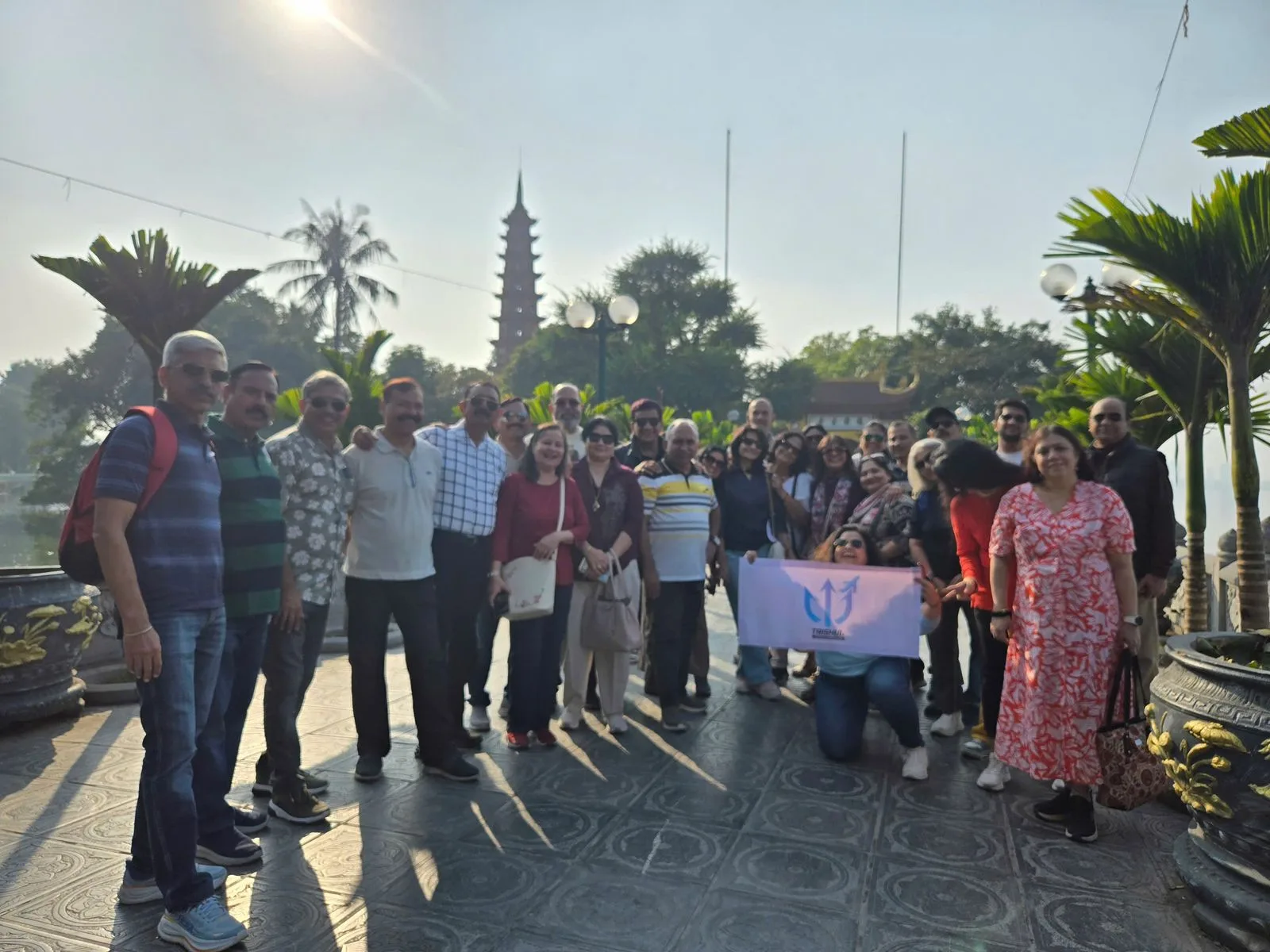
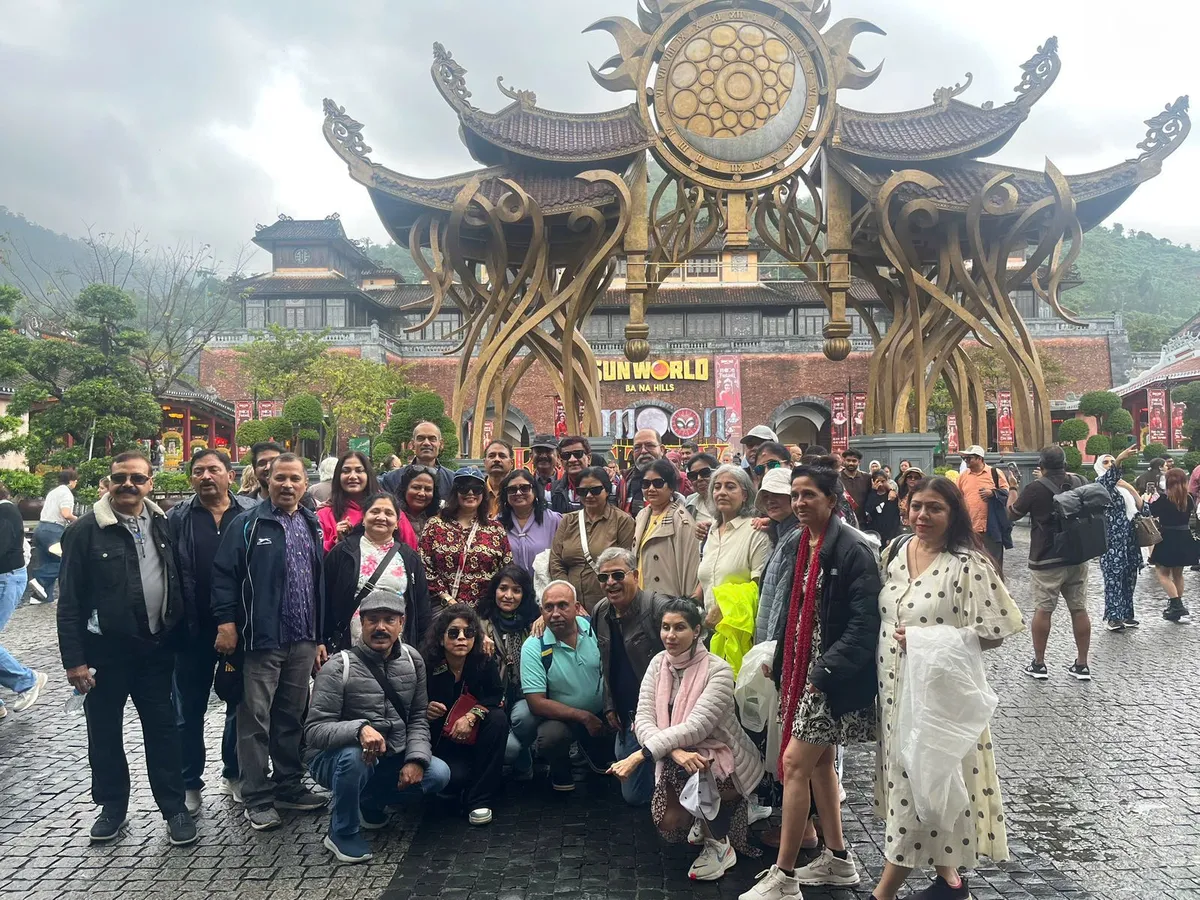
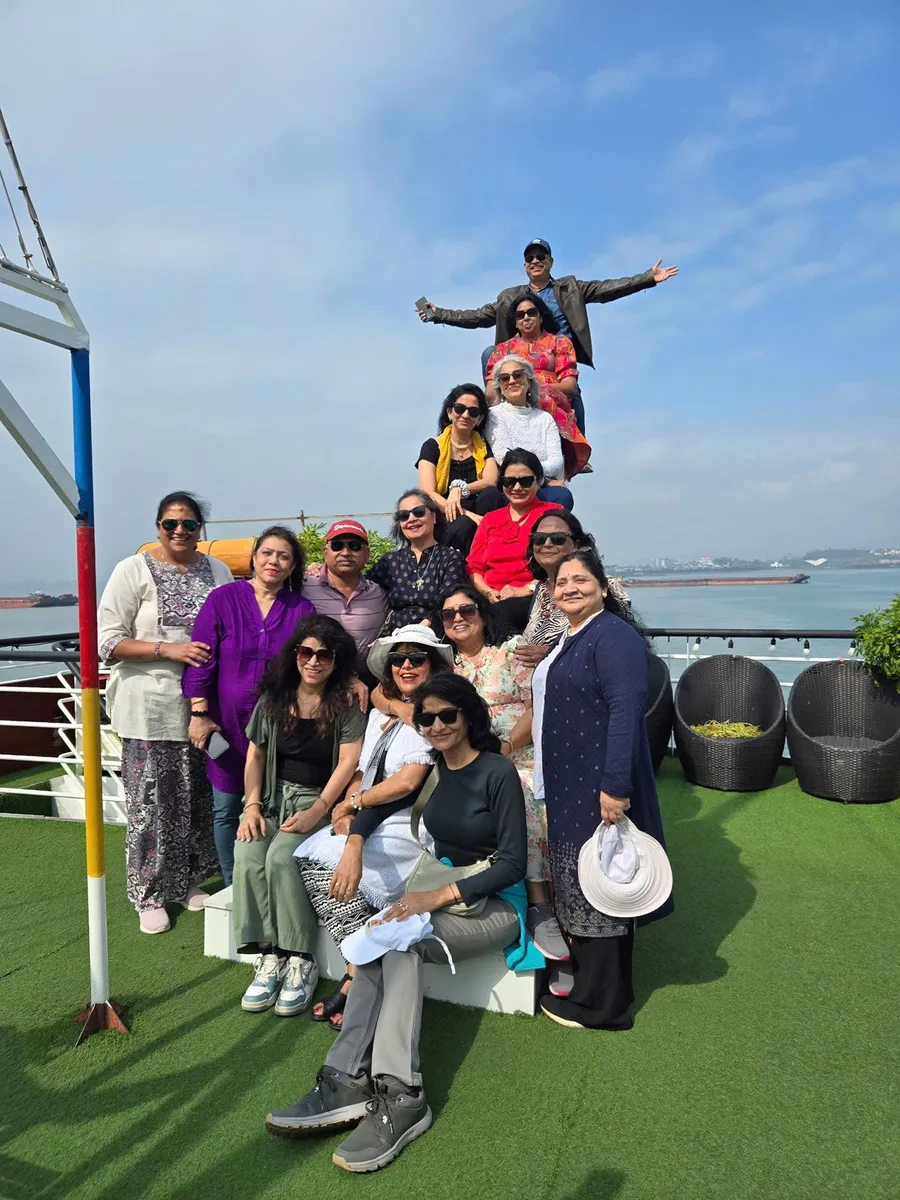
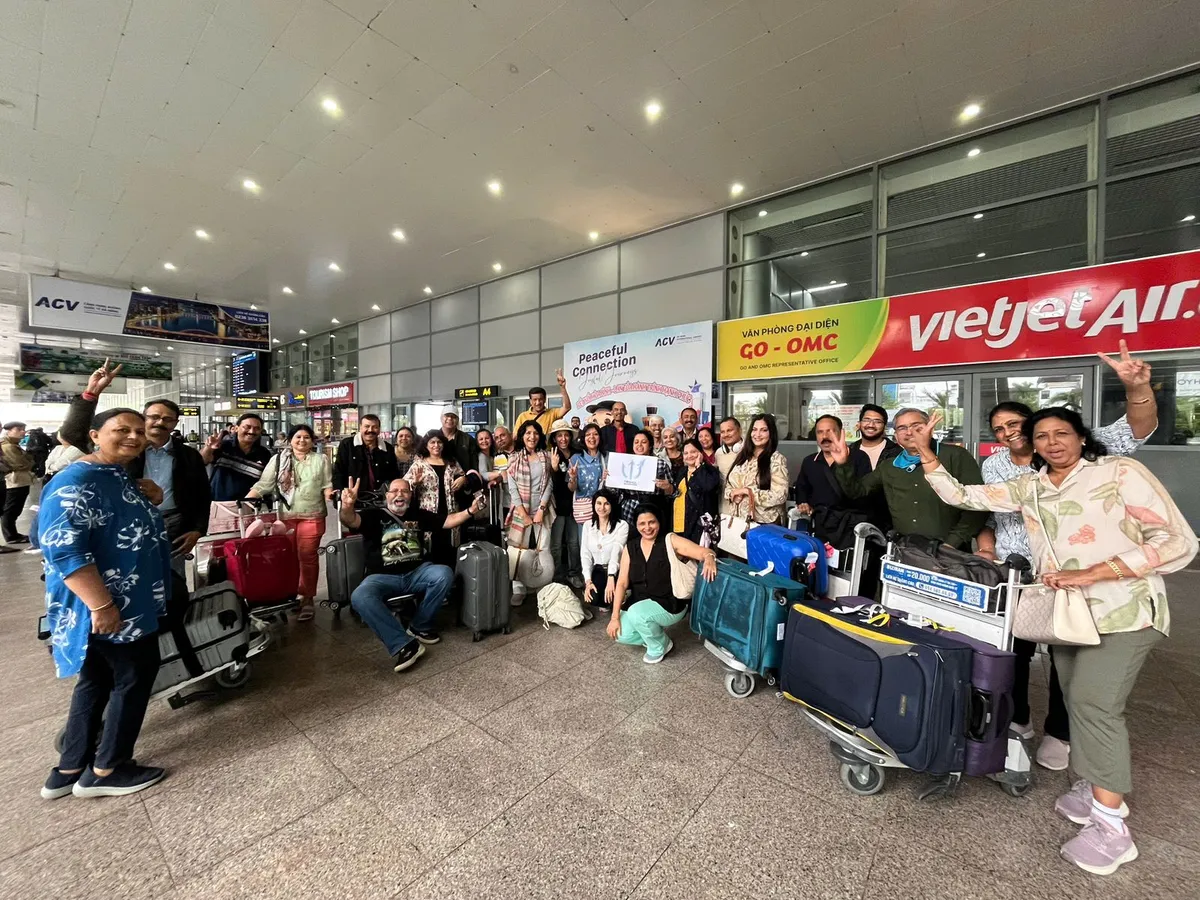
Real groups, real execution
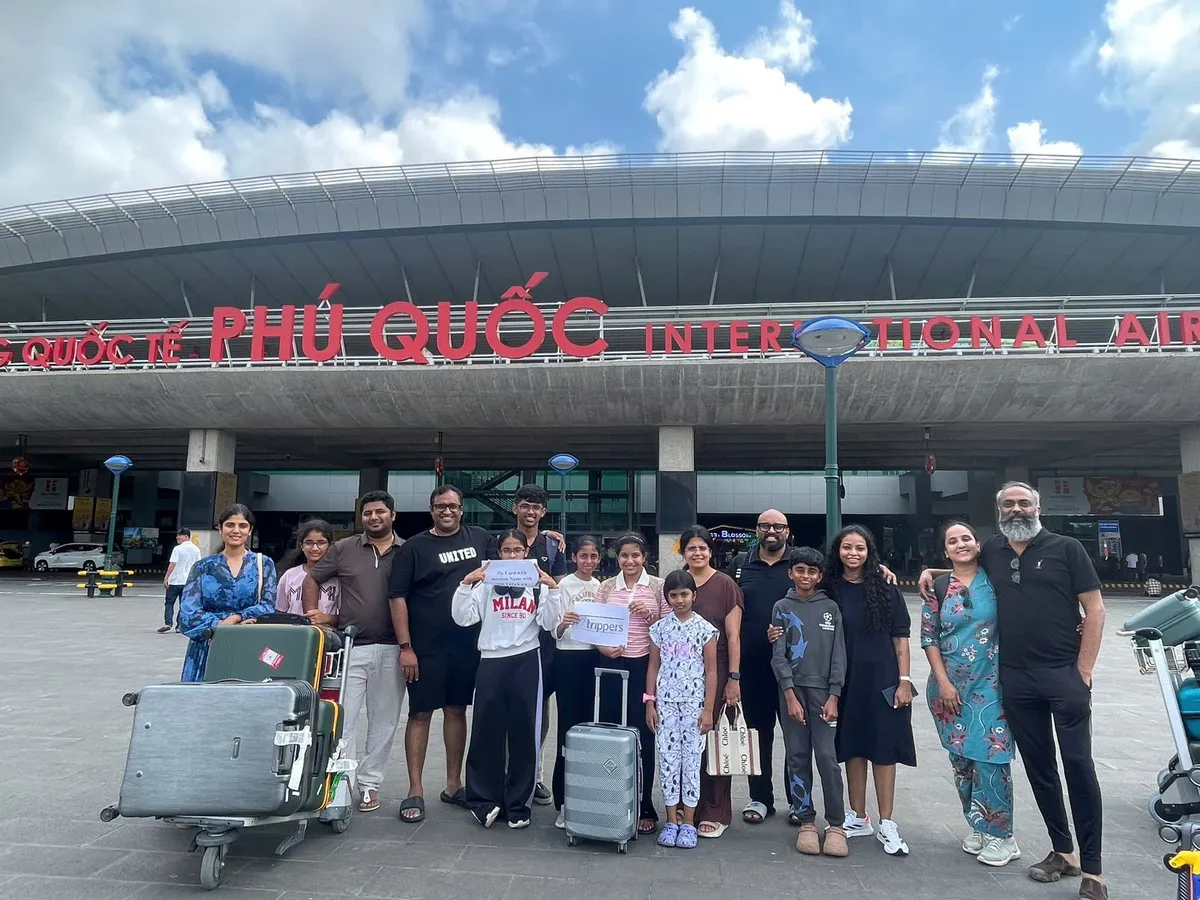
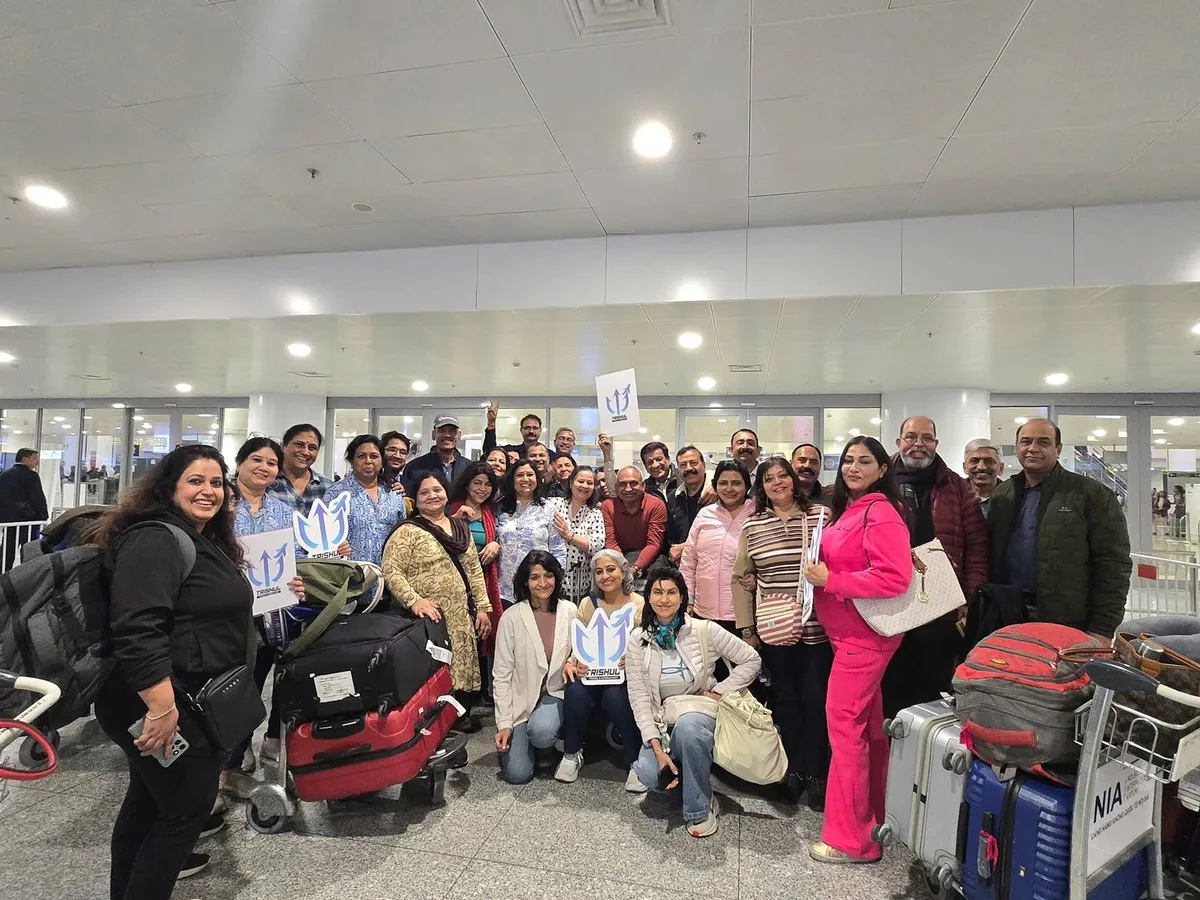
Arrival as one movementThe full group met and moved through arrivals together, not one taxi at a time.
Sightseeing on scheduleThrough the landmark sites without losing the day to logistics.
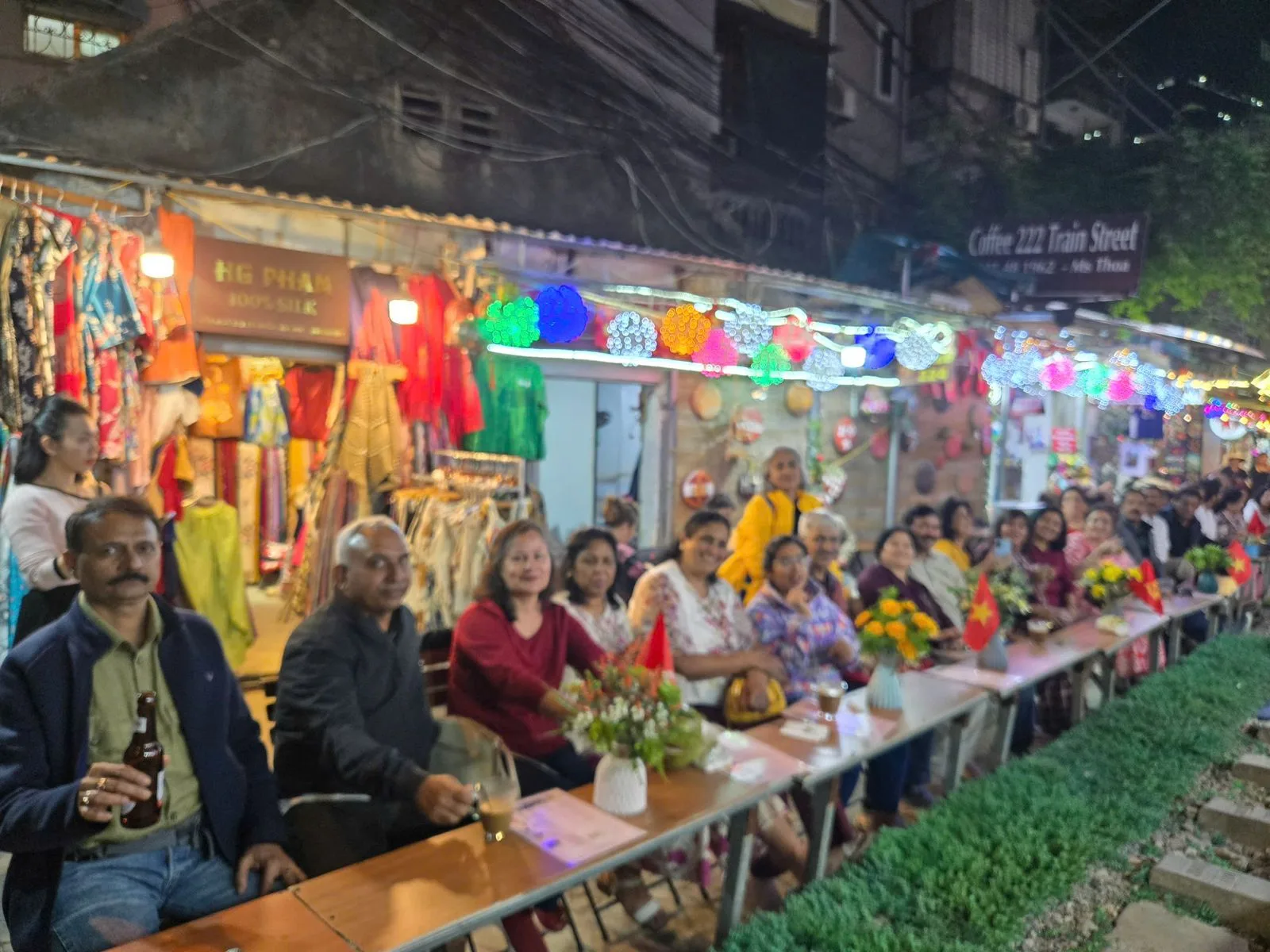
Dining arranged in advanceTables held for the whole group, menus agreed before anyone landed.
Series departures
Series departures you can publish
For the programmes you sell again and again — a brochure, a catalogue, a seasonal campaign. Dates are set in advance, hotel allocation is held against them, and the costing stays stable, so you can print it and sell against it without re-quoting every enquiry.
Published departure dates across the season
Room blocks held on allocation, not booked ad hoc
Repeatable net costing per passenger band
Guaranteed operation from your agreed minimum
Ad-hoc groups
Ad-hoc groups, on your own dates
For the group that lands in your inbox with its own dates, its own routing and its own budget — a corporate incentive, a club, an extended family, a school. Costed to that specific brief rather than squeezed into a fixed departure.
Your dates, your routing, your hotel category
Costed to the exact passenger count and band
Itinerary reshaped around the group’s pace and interests
Quoted within one business day
Running an incentive or a conference rather than a leisure group? That sits with our MICE and Incentives desk, which adds venue, staging and run-of-show production on top of the ground programme.
Exact deadlines depend on the hotels and any internal flights in the programme, and are confirmed in writing with your quote. This is the working rhythm behind them.
01
The briefDay zero
Dates, routing and an approximate passenger count. That is genuinely enough to start.
02
Net ratesOne business day
Costed per passenger band, ready to brand, with the bands quoted so you can price a range.
03
Allocation heldOn confirmation
Room blocks held by category, plus like-for-like alternatives for the October–April peak.
04
Rooming list3–4 weeks out
Final numbers and names. Changes after that are worked with the hotel, not bounced back to you.
05
ArrivalDay one
One coordinator on the ground and a duty phone live for the whole programme.
FAQ
Questions the trade asks us
If yours isn’t here, send it over with the group brief — you will get a straight answer from the person who would run the programme.
What is the minimum group size you operate?
We operate groups from around 10 passengers upward. Below that we usually quote as a private tailor-made (FIT) programme instead, because the per-person cost of a dedicated vehicle and guide works out better that way for your client.
How is a group tour costed — per person or per group?
Per person, banded by group size. Vehicle, guide and some fixed costs are shared across the group, so the per-person net rate steps down as the group grows. We quote the bands so you can price a brochure or catalogue without coming back to us for every pax count.
What is the difference between a series departure and an ad-hoc group?
A series departure runs on fixed, published dates with hotel allocation held in advance — suited to brochure and catalogue programmes you sell repeatedly. An ad-hoc group is a one-off on your own dates, costed to that specific routing and passenger count.
How far in advance do you need rooming lists and final passenger numbers?
As a working rule we ask for the rooming list and final passenger count around three to four weeks before arrival, and name changes as early as possible after that. Exact deadlines depend on the hotels and any internal flights in the programme, and are confirmed in writing with your quote.
Do you provide a tour leader or free-of-charge place for our escort?
A licensed local guide accompanies the group as standard. Free-of-charge allowances for your own tour leader or escort depend on group size and the hotels contracted, so they are confirmed per quote rather than as a blanket policy.
Can a group programme cross into Cambodia or Laos?
Yes, on a single contract. We have in-house operations teams in all three countries, so a Vietnam group extending to Siem Reap or Luang Prabang stays with one coordinator and one point of accountability instead of being handed to a separate local supplier at the border.
What happens if a group hotel is oversold in peak season?
Group room blocks are held on allocation rather than booked room by room, and we hold alternatives of the same category for peak dates from October to April. If a property fails, the group moves to a like-for-like hotel we have already inspected — not whatever has availability that night.
Next step
Send us the group, get the bands
Dates, routing and an approximate passenger count are enough to start. We come back with net rates per band, costed and ready to brand, within one business day.